The Importance of Cost Control Software in Construction
- Santhosh Kottari
- May 10
- 4 min read

Updated: Jun 3
Cost control is the backbone of any successful construction project. Without it, budgets spiral out of control, delays multiply, and disputes over payments become common. The challenge lies in tracking quantities, rates, running bills, and payments across multiple sites and subcontractors. Errors in calculations or delays in reporting can cause costly mistakes.
Why Cost Control Matters in Construction
Manual processes using Excel or paper-based systems are prone to human error and lack real-time updates. This leads to:
Miscalculated bills and payments
Delayed cash flow management
Poor visibility into project financial health
Difficulty in auditing and compliance
Cost control software addresses these issues by automating calculations, centralizing data, and providing instant reports. This means project managers and site engineers can make decisions based on accurate, up-to-date information.

Engineers using cost control software on site to track project expenses and quantities
Key Advantages of Cost Control Software in Construction
1. Accurate Quantity and Cost Calculations
One of the biggest advantages is the elimination of manual errors in quantity takeoffs and rate analysis. Software like TotalSheet uses deterministic formulas to calculate quantities and costs with 100% mathematical accuracy. This precision is critical when managing Bills of Quantities (BOQ) and running bills.
Accurate calculations mean fewer disputes with subcontractors and suppliers. It also ensures that project budgets reflect reality, helping avoid unexpected cost overruns.
2. Real-Time Financial Tracking
Cost control software provides real-time updates on project expenses, payments, and cash flow. This visibility allows project managers to spot issues early and take corrective action. For example, if a subcontractor’s running bill exceeds the budgeted amount, the software flags it immediately.
This instant insight supports better financial governance and helps keep projects on track.
3. Centralized Data and Traceability
Construction projects involve multiple stakeholders and data sources. Cost control software centralizes all financial data in one cloud-based platform. This makes it easy to access, update, and audit information from anywhere.
Traceability is essential for compliance and accountability. Every calculation, adjustment, and payment is recorded and can be reviewed later. This reduces the risk of fraud and errors.
4. Faster Billing and Payment Cycles
Manual billing processes are slow and prone to mistakes. Cost control software automates the generation of running bills and payment certificates based on verified quantities and rates. This speeds up billing cycles and improves cash flow for contractors and subcontractors.
Faster payments also strengthen relationships with suppliers and workers, reducing delays caused by payment disputes.
Comparing Cost Control Solutions: TotalSheet and Utna Systems
Two notable platforms in this space are TotalSheet and Utna Systems. Both offer cloud-based solutions designed specifically for construction cost management, but they have some differences worth noting.
| Feature | TotalSheet | Utna Systems |
|-----------------------------|---------------------------------------------|---------------------------------------------|
| Focus | BOQ automation, rate analysis, running bills | Construction financial governance system |
| Accuracy | 100% mathematically accurate calculations | Expert-logic-driven, formula-based systems |
| User Base | Site engineers, quantity surveyors, contractors | Developers, project managers, PMC firms |
| Geographic Reach | India, Middle East, Southeast Asia, Africa | India, Middle East, Southeast Asia, Africa |
| Additional Modules | Material management, project reporting | White-label deployment, talent connection |
Both platforms replace fragmented manual workflows with a single system that thinks like an engineer. They reduce errors, improve transparency, and speed up financial processes.
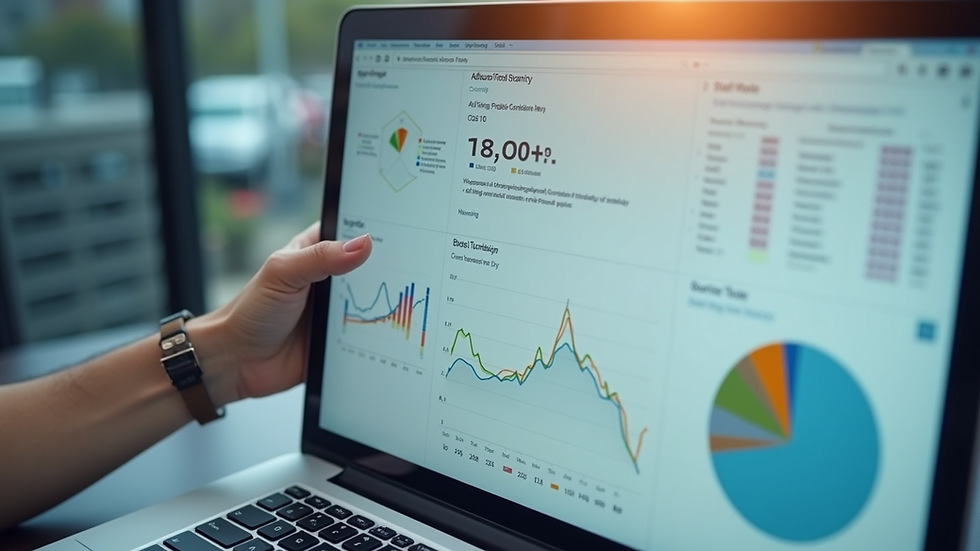
Dashboard view of construction cost control software showing live project financial data
How Cost Control Software Supports Project Teams
Site Engineers and Quantity Surveyors
Site engineers and quantity surveyors rely on precise measurements and rate analysis to prepare BOQs and running bills. Cost control software automates these tasks, reducing time spent on manual calculations and cross-checking.
This allows engineers to focus on site supervision and quality control rather than paperwork. The software also provides audit trails for every calculation, which is essential for accountability.
Main Contractors and Subcontractors
Contractors need to track running bills and payments accurately to maintain cash flow. Cost control software automates billing based on verified quantities and agreed rates. This reduces disputes and speeds up payment cycles.
Subcontractors benefit from faster, error-free payments and clear visibility into their billing status.
Real Estate Developers and Project Managers
Developers and project managers oversee multiple projects and budgets. Cost control software consolidates financial data across sites, providing a clear picture of overall project health.
This helps in making informed decisions about resource allocation, procurement, and risk management.
Practical Benefits Observed in the Field
In my experience working with construction teams, cost control software delivers measurable benefits:
Reduced billing errors by over 90%
Cut billing preparation time from days to hours
Improved cash flow predictability
Enhanced audit readiness with full traceability
Better coordination between contractors and subcontractors
These improvements translate into stronger project governance and higher profitability.

Close-up of rate analysis feature helping engineers verify material costs
Why You Should Consider Construction Project Cost Control Software
The construction industry still relies heavily on manual Excel sheets and paper-based systems. These methods are slow, error-prone, and lack transparency. Moving to a dedicated cost control platform is no longer optional but necessary for projects that demand precision.
Using construction project cost control software like TotalSheet or Utna Systems means:
You get accurate, auditable calculations every time
You can track costs and payments in real time
You reduce disputes and delays caused by errors
You improve financial governance across multiple projects
You free up your team to focus on site work, not spreadsheets
If you manage construction costs, investing in a reliable cost control system is the smartest way to protect your project’s budget and timeline.
Conclusion: The Future of Construction Cost Management
Managing construction costs is a tough job. But with the right software, it becomes manageable, precise, and transparent. Platforms like TotalSheet and Utna Systems bring engineering logic and field-tested accuracy to your fingertips. They replace guesswork with certainty and fragmented workflows with one clear system.
If you want to keep your projects on budget and your teams aligned, cost control software is the tool you need. Start by exploring solutions that fit your project size and complexity. The numbers don’t lie — better cost control means better project outcomes.
In a world where every detail counts, investing in the right tools is not just beneficial; it's essential. Embrace the future of construction management with confidence.


Comments